Cold Email
November 21, 2026
4 min read



Updated October 30, 2026 · 2027 outlook · For founders, agency owners and SDRs who still sell with email
Quick answer: Cold email will still work in 2027. What stops working is the lazy version: big purchased lists, a template with a first name swapped in, and seven “just bumping this” follow-ups. The reason is simple. A growing share of inboxes now have an AI reading, summarizing and sorting mail before a human sees it. In 2027 your email has two readers. If it doesn’t survive the first one, the second one never knows it existed.
On January 8, 2026, Google announced that Gmail was “entering the Gemini era.” Two parts of that announcement matter for anyone sending cold email:
(Source: Google, “Gmail is entering the Gemini era”.)
Read that VIP rule again. The inbox favors people you already talk to. A cold email is, by definition, from someone you don’t. That doesn’t mean cold email gets blocked. It means it starts from the back of the line, and it gets compressed. Your carefully written 180 words may be shown to the buyer as one AI-generated sentence.
So the question for 2027 isn’t “will my email get delivered?” It’s “when an AI shrinks my email to one line, is that line worth a reply?”
Instantly’s 2026 benchmarks put the average cold email reply rate at 3.43%, with the top quartile at about 5.5% and elite campaigns above 10% (Instantly, Email Sequence Benchmarks 2026).
The gap between 3% and 10% is not copywriting tricks. It’s targeting and relevance. The elite campaigns write to fewer people who have a visible reason to care right now. That gap will widen in 2027, because AI summaries reward emails that are specific and punish emails that are generic.
The strongest cold emails in 2027 will be triggered by a signal, not pulled from a list. Someone posted about the exact problem you solve. Their company just raised money. They’re hiring for the role your product supports. They just launched something with a visible flaw. A signal gives you a reason to be in their inbox that they can verify in two seconds. If you want a deeper breakdown, read our guide to B2B buying intent signals.
Assume the buyer may only see a one-line AI summary. Write that line yourself, as your opening sentence: who you are to them, what you noticed, and what you’re offering. Example: “Your signup page takes about 9 seconds to load on mobile; I recorded a 2-minute video showing where it breaks.” If an AI summarizes that, it summarizes the right thing.
Short emails survive summarization intact. Long emails get paraphrased, and paraphrase strips out the specific detail that made you credible. Most replies in 2027 will be decided on a phone lock screen.
“I love what you’re building” is unverifiable and reads as automated flattery. “Your pricing page has no annual option” is verifiable. One checkable fact beats three compliments.
One of the most reliable patterns is a small, free, specific piece of value up front: a two-minute video audit, a mocked-up fix, a short list of three issues. It turns the email from a request into a delivery.
“Worth 15 minutes this week?” is a big ask from a stranger. “Want the other two fixes?” is a small one. Small asks get replies, and replies are what turn into meetings.
A follow-up should add information: a new observation, a relevant result, a shorter version of the offer. “Just bumping this” adds nothing. And the moment someone replies on any channel, every automated step should stop. We covered the timing in detail in when to stop chasing a prospect.
Before (what gets summarized into nothing):
Hi Sarah, I hope this finds you well! I’m a passionate growth consultant with 8 years of experience helping innovative companies scale with cutting-edge solutions. I’d love to hop on a quick 15-minute call to explore potential synergies. Are you the right person to speak to?
An AI summary of that email: “Consultant requesting a call.” Deleted.
After (what survives the summary):
Sarah, saw your post about trial signups dropping since the redesign. I went through the flow on mobile: the plan picker pushes the signup button below the fold on most phones. Recorded a 2-minute video showing it. Want me to send it over?
An AI summary of that email: “Points out a mobile signup issue after your redesign and offers a video.” That’s a reason to open it.
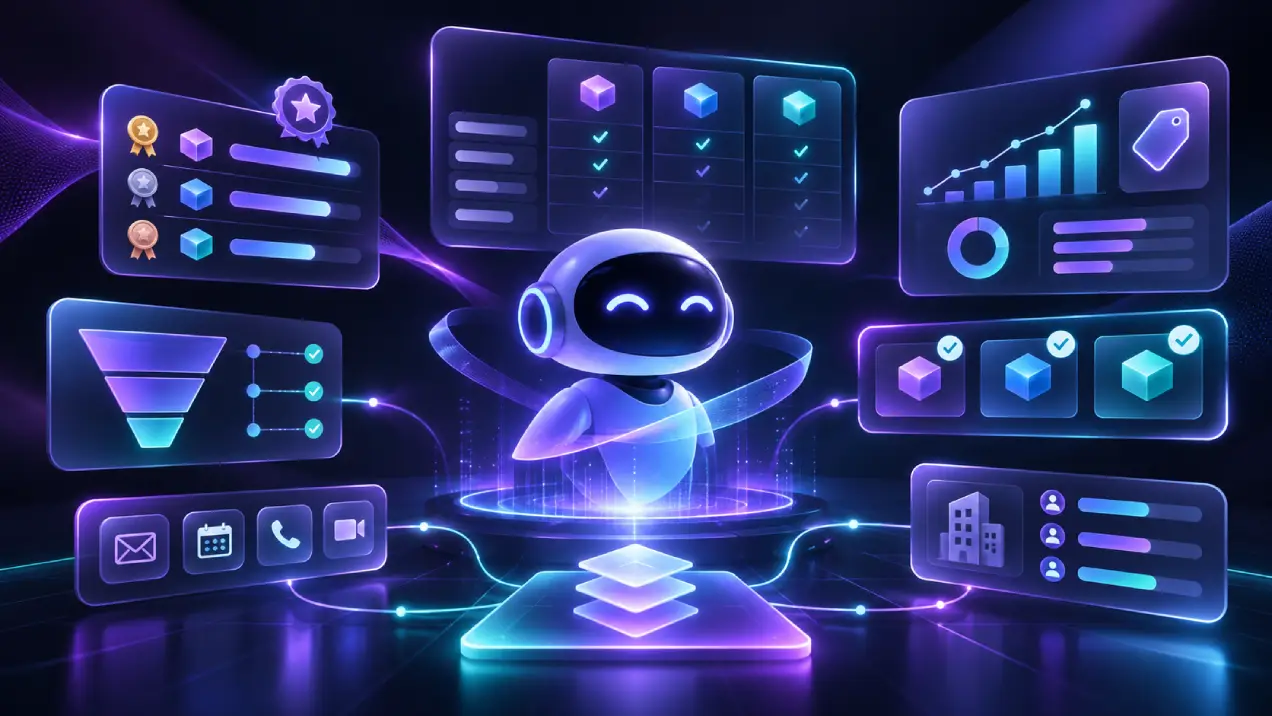
You don’t need ten tools. You need five jobs done well:
| Job | What good looks like in 2027 |
|---|---|
| Data | Verified work emails, so you don’t damage your domain with bounces |
| Signals | A list of people with a visible reason to care this week |
| Writing | Short, specific messages built from real context, not mail-merge fields |
| Sequencing | Email and LinkedIn together, with every reply in one inbox |
| Inbox | Every reply in one place, sorted by interest, answered fast |
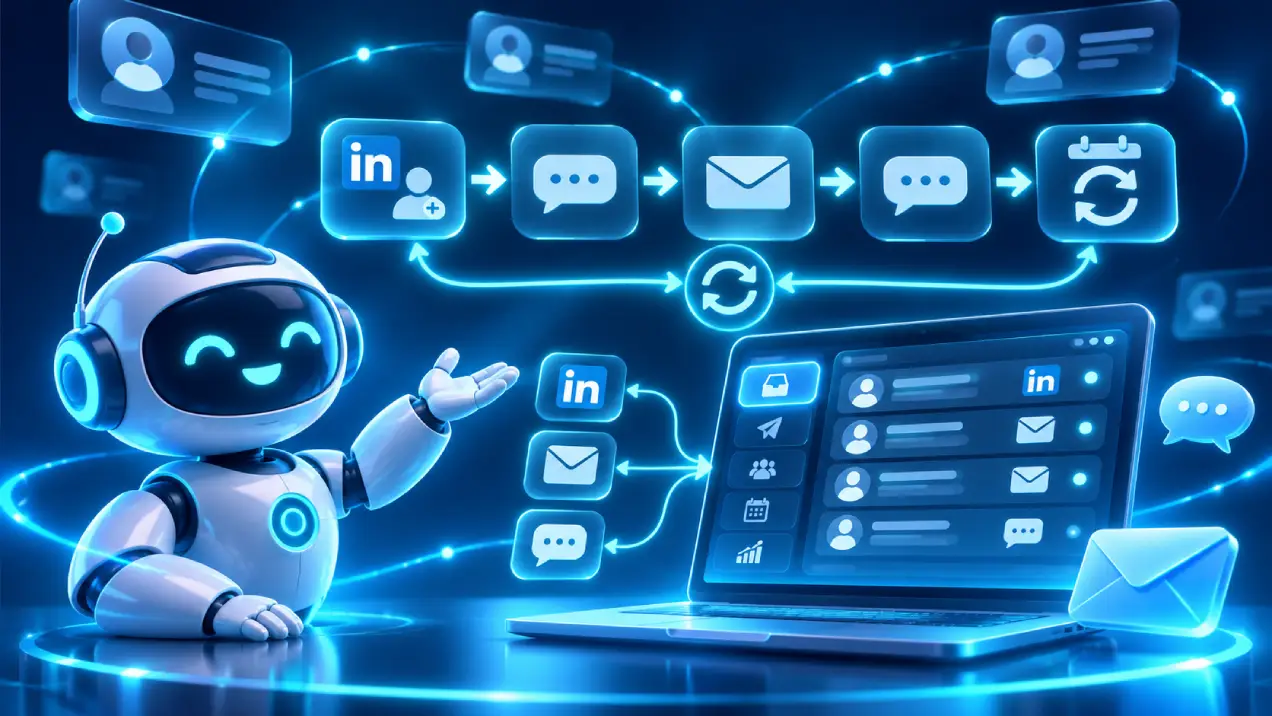
This is the workflow Prosyo is built around: find people showing buying signals, write messages from their real context, send across LinkedIn and email, and handle every reply from one inbox. Whatever tools you use, the principle is the same. In 2027, relevance is the deliverability strategy.
Yes, for senders who target people with a real reason to care and write short, specific messages. Generic high-volume cold email will keep declining as AI inbox features summarize and sort mail before people read it.
Google describes AI Inbox as a feature that filters clutter and highlights VIPs, based on signals such as people you email often. It isn’t described as a cold email blocker, but it does mean unknown senders compete for less attention. Specific, relevant emails are the best response.
Instantly’s 2026 benchmarks put the average at 3.43% and elite campaigns above 10%. Expect the average to stay flat or drift down, while signal-based campaigns keep beating it.
Two or three that each add something new, spaced a few days apart, is a sensible default. Stop immediately when the prospect replies on any channel.
Use AI to research and draft from real context: the prospect’s post, site, hiring or launch. Don’t use it to generate generic compliments at scale. Readers and inbox AI both spot that pattern quickly.
It depends on where you and your recipients are. In the US, B2B cold email is generally allowed under CAN-SPAM if you identify yourself honestly and include a working opt-out. In the EU and UK, rules like GDPR and PECR are stricter. This isn’t legal advice, so check the rules for the countries you sell into.
Most teams will find out their cold email stopped working in March 2027, when the numbers drop. You can fix it now: fewer people, better reasons, shorter messages, and replies handled fast. Start prospecting free with Prosyo and build your first signal-based campaign today.
New courses, plays that are booking meetings right now and the occasional teardown. No fluff, unsubscribe any time.
2 days free, full access. Pay later and change your mind? Full refund within 7 days.