Marketing Automation
September 16, 2026
10 min read


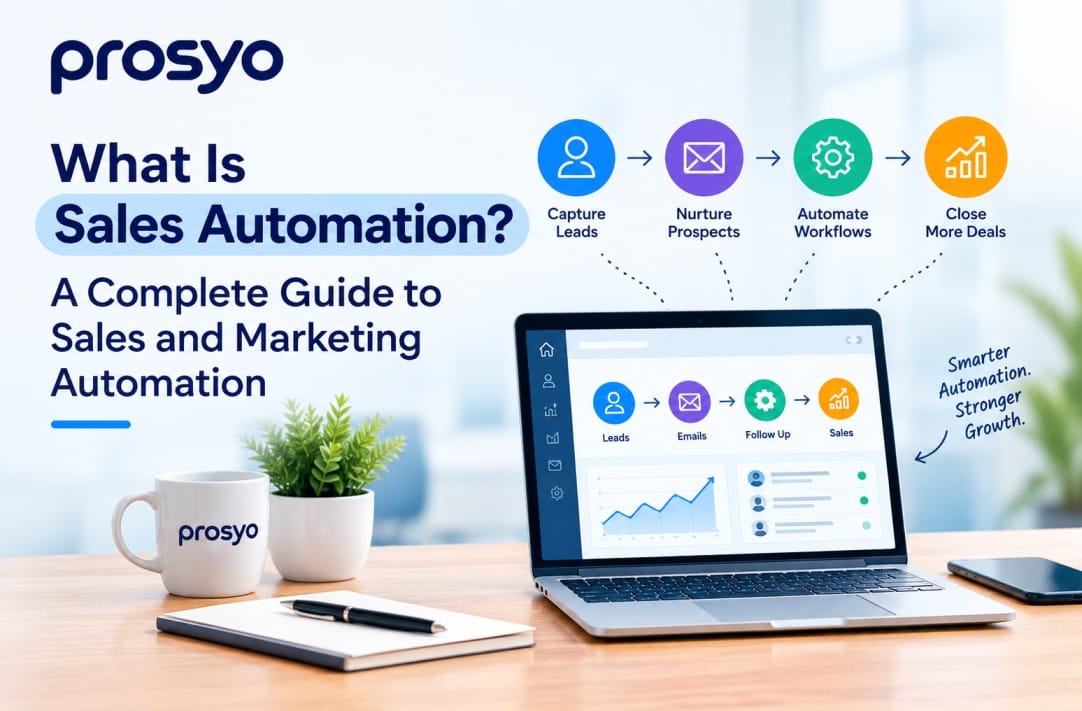
Sales teams spend a significant amount of time searching for prospects, sending follow-up emails, updating CRM records, and managing repetitive tasks. While these activities are important, they can reduce the time available for meaningful conversations and closing deals. This is where sales automation becomes valuable.
Sales automation uses technology to streamline repetitive sales activities, improve lead management, and help sales teams work more efficiently. When combined with marketing automation, businesses can attract the right audience, nurture leads, and guide potential customers through the buying journey.
In this guide, we explain what sales automation is, how sales and marketing automation work together, the benefits of automation, the tools businesses use, and how to implement an effective automation strategy.
Sales automation is the use of software and technology to automate repetitive sales tasks, such as lead tracking, follow-up communication, data entry, appointment scheduling, and sales reporting.
Instead of completing every task manually, sales representatives can use automation to manage routine activities while focusing on building relationships and converting qualified leads.
For example, when a prospect fills out a website form, a sales automation system can automatically record the lead in a CRM, assign it to the appropriate sales representative, send a confirmation email, and schedule a follow-up reminder.
Sales automation connects different stages of the sales process through predefined workflows. These workflows perform specific actions when a particular condition is met.
A typical sales automation process includes:
This process reduces manual work and helps sales teams respond to prospects more consistently.
Sales and marketing automation is the integration of marketing and sales processes to attract prospects, nurture leads, qualify opportunities, and support conversions through automated workflows.
Marketing automation focuses on generating and nurturing interest, while sales automation helps representatives manage qualified leads and move them toward a purchase.
When both systems work together, businesses can create a connected customer journey instead of managing marketing and sales activities separately.
Although sales automation and marketing automation are closely related, they serve different purposes.
Sales automation primarily supports sales teams by managing tasks such as lead follow-ups, CRM updates, opportunity tracking, and appointment scheduling.
Marketing automation focuses on activities such as email campaigns, lead nurturing, audience segmentation, campaign management, and marketing performance tracking.
For example, marketing automation may send educational emails to a prospect who downloads an ebook. Once the prospect demonstrates strong buying intent, the system can notify the sales team or assign the lead for direct follow-up.
The two systems become more effective when they share customer data and work toward the same revenue goals.
Manual sales processes can create delays, inconsistent follow-ups, and inaccurate customer records. These problems can cause businesses to lose potential customers, especially when prospects expect fast and relevant communication.
Sales automation helps businesses address these challenges by improving speed, consistency, and visibility across the sales pipeline.
Key reasons businesses adopt sales automation include:
Automation does not replace the need for sales professionals. Instead, it gives them more time to focus on conversations, relationship building, negotiation, and closing deals.
Sales and marketing automation can improve both operational efficiency and customer experience when implemented correctly.
Sales and marketing teams often spend hours performing repetitive tasks, including entering data, sending routine emails, and updating lead statuses.
Automation handles many of these activities automatically, allowing employees to spend more time on strategy, customer engagement, and revenue-generating work.
A delayed response can reduce the chance of converting an interested prospect. Automation enables businesses to send immediate confirmations, notifications, and follow-up messages when a lead takes a specific action.
For example, a prospect who requests a product demo can receive an instant confirmation while the sales team receives an alert to follow up.
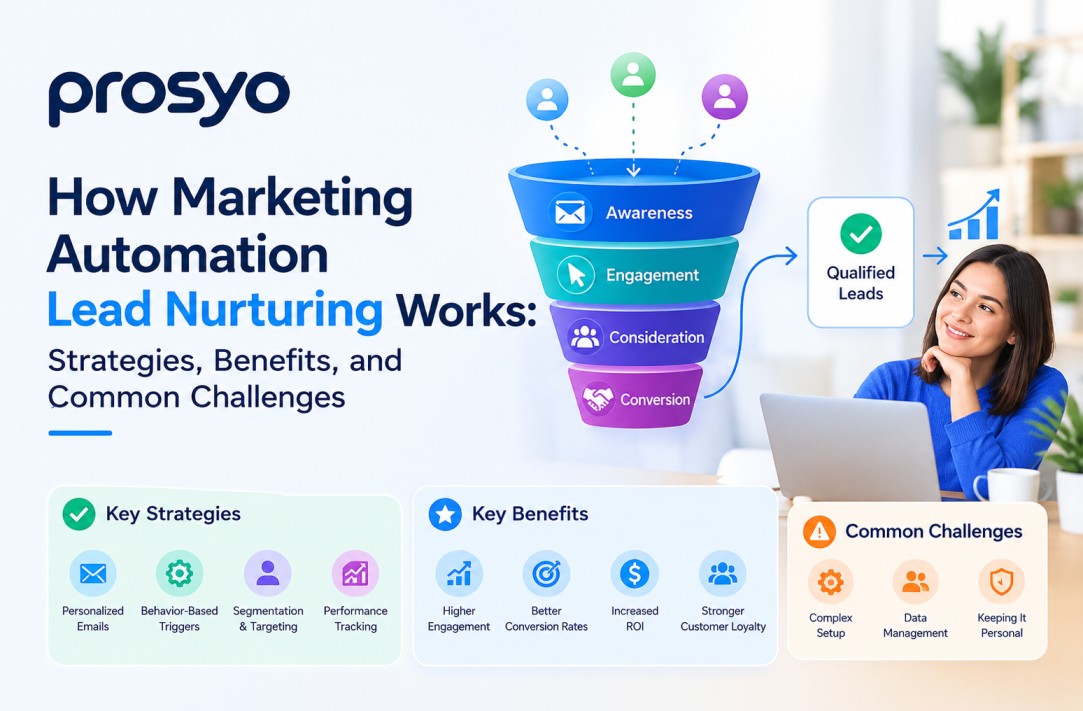
Not every lead is ready to buy immediately. Marketing automation software helps businesses nurture prospects with relevant content based on their interests, actions, and position in the buying journey.
Nurturing may include:
This keeps the business connected with prospects until they are ready for a sales conversation.
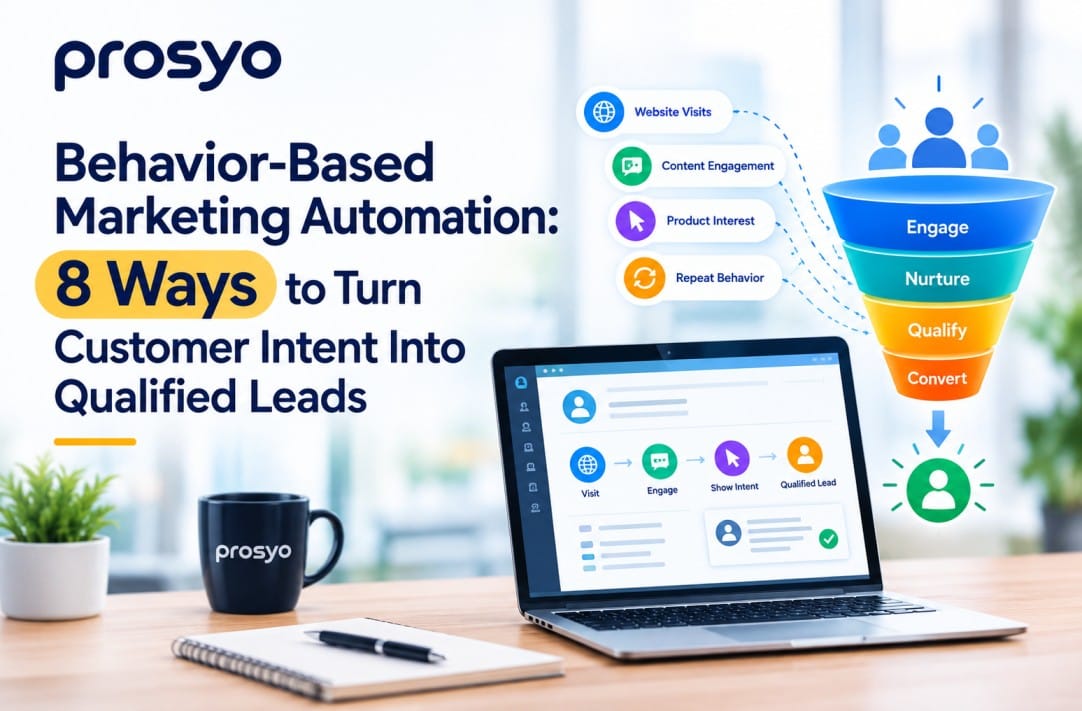
Automation can help businesses identify leads that are more likely to become customers. Lead qualification may use factors such as company size, industry, job role, website activity, form responses, or engagement with marketing content.
A lead scoring system can assign values to these actions, helping sales teams prioritize their efforts.
Manual follow-ups can vary depending on the sales representative, workload, or time available. Automated workflows help ensure that prospects receive timely and consistent communication.
Businesses can create predefined sequences for different situations, such as new inquiries, abandoned forms, demo requests, or inactive leads.
Automation platforms collect data about campaign performance, lead activity, sales stages, and customer interactions. These insights help businesses understand which channels and activities contribute to revenue.
Teams can use this information to improve campaigns, identify bottlenecks, and make more informed decisions.
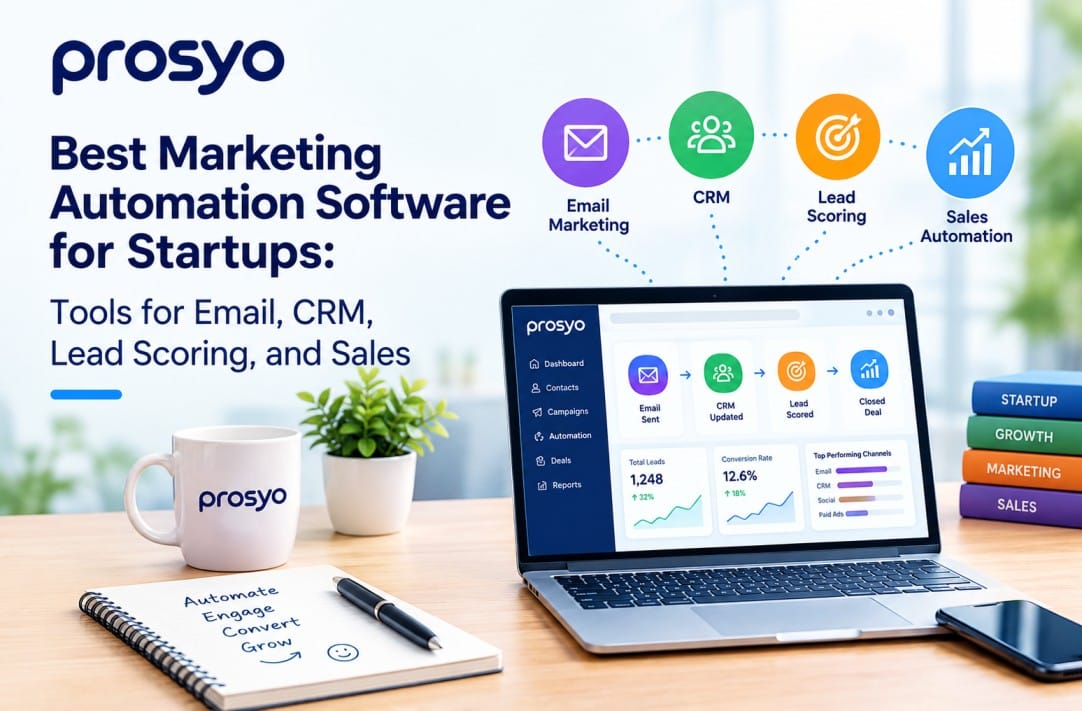
Marketing automation tools are software platforms that help businesses automate marketing activities, manage leads, personalize communication, and measure campaign performance.
These tools can support businesses across different stages of the customer journey, from attracting website visitors to nurturing prospects and supporting conversions.
Common capabilities of marketing automation tools include:
The right tool depends on the business’s size, budget, sales process, customer journey, and integration requirements.
Before selecting marketing automation software, businesses should evaluate whether it supports their specific goals and workflows.
Important features to consider include:
Businesses should prioritize tools that solve their current operational problems rather than selecting software based only on the number of features.
Sales and marketing automation can support the customer journey from initial awareness to post-purchase engagement.
A typical automated customer journey may follow these steps:
This connected approach helps businesses deliver relevant communication at the right stage instead of sending the same message to every prospect.
Implementing sales automation successfully requires planning. Businesses should begin with clear objectives and gradually automate processes that create the most value.
Review the current sales process and identify activities that consume time but follow predictable patterns. These may include lead entry, follow-up reminders, appointment scheduling, and reporting.
Set measurable goals such as improving lead response time, increasing qualified leads, reducing missed follow-ups, or improving conversion rates.
Understand how prospects discover the business, interact with marketing content, contact the sales team, and make purchasing decisions. This helps determine where automation will be most useful.
Choose software that matches your business requirements, budget, team capabilities, and existing technology. Consider CRM integration, workflow flexibility, reporting, and scalability.
Define what makes a lead valuable to your business. Establish criteria for lead scoring, sales readiness, and lead assignment.
Start with simple workflows, such as a new lead acknowledgment email, a follow-up reminder, or a lead assignment notification. Test each workflow before making it active.
Sales and marketing employees should understand how the system works, how to manage leads, and when human intervention is required.
Track key metrics, review workflow performance, and update automation rules based on real results. Automation should continuously improve as customer behavior and business goals change.
Although automation offers many benefits, businesses may face challenges during implementation.
Incomplete, outdated, or duplicate customer information can reduce automation accuracy. Businesses should maintain clean and organized data.
Automation without defined goals can create unnecessary workflows and confusing customer experiences. Every automation should support a clear business objective.
Sending too many automated messages or using generic communication can make interactions feel impersonal. Businesses should combine automation with